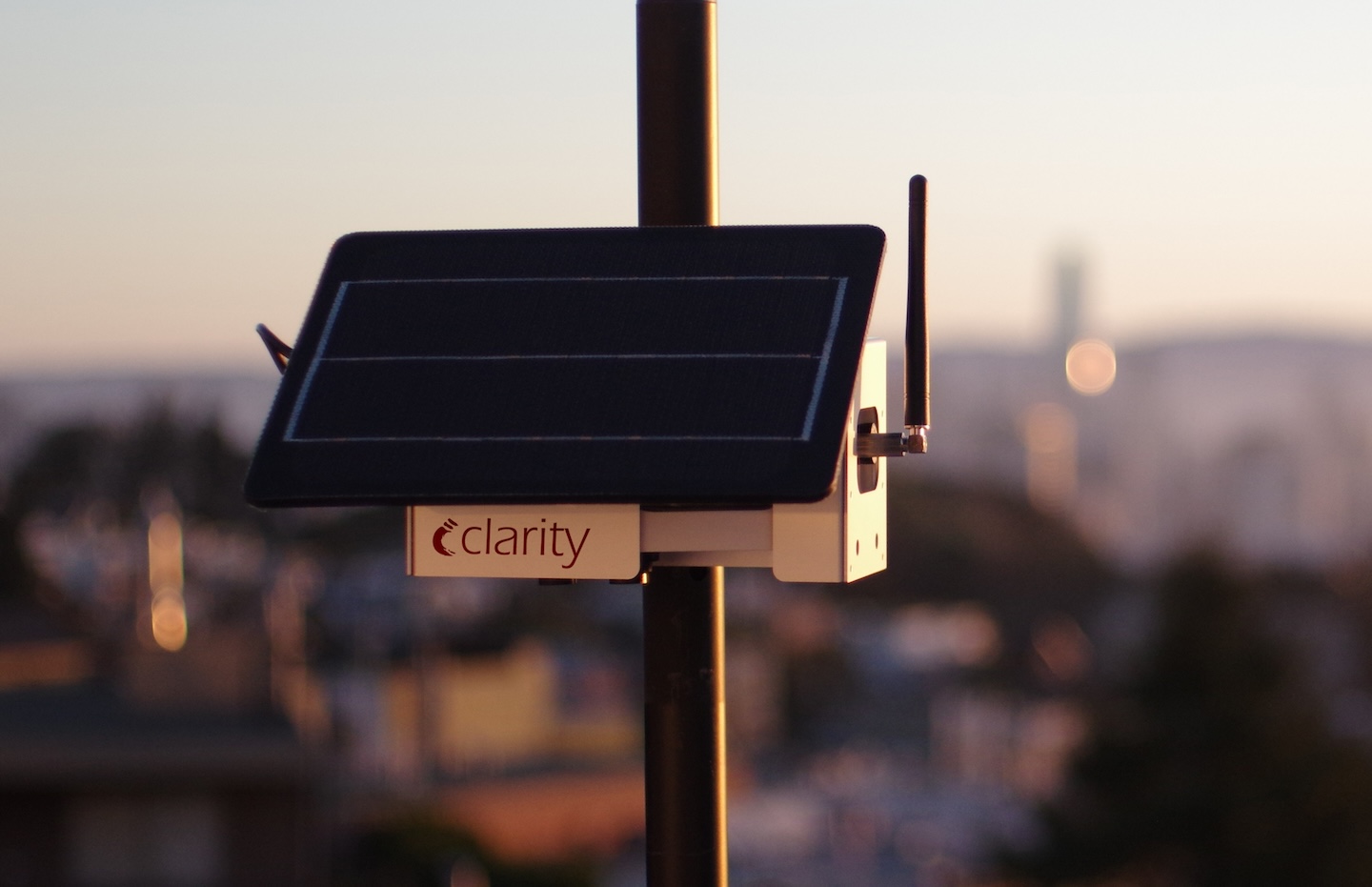
TL;DR: IoT-based air quality monitoring uses networks of low-cost sensors to provide real-time data, wider coverage, and easier deployment than traditional monitors. However, these sensors are generally less accurate than reference-grade monitors, require calibration, and carry minor IoT security risks.
Why air quality monitoring matters
Air pollution is a major threat to global health. Air pollutants such as particulate matter, nitrogen dioxide, and ozone, among others, can contribute to cancer and cardiovascular diseases. In 2023, ambient PM2.5 air pollution is estimated to have caused 4.9 million premature deaths worldwide according to the State of Global Air Report 2025.
Air quality monitoring can help address air pollution by measuring the extent of the problem, raising public awareness, and supporting both the development and enforcement of air pollution regulations. Yet, there are different kinds of monitoring solutions to choose from.
What is IoT-based air quality monitoring?
IoT refers to the Internet of Things. IoT devices are a network of physical devices that are embedded with software and network connectivity, meaning that they can collect and share data over a network without any outside help from human beings. IoT is a relatively new technology, but according to Fortune Business Insights, the global IoT market size was valued at 864.32 billion US dollars in 2025, and the market is projected to grow.
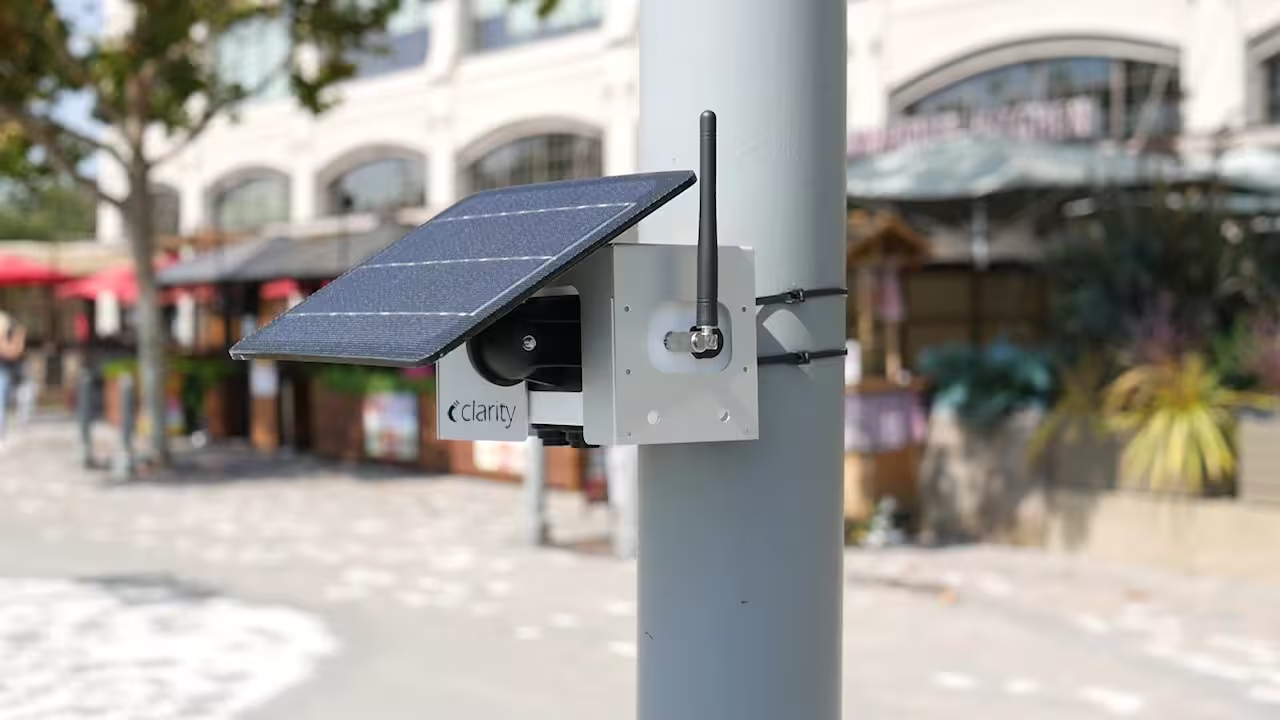
IoT-based air quality sensors are implemented as a network of connected devices. Many different air quality sensors can collect and share real-time data and analysis. IoT-based sensors often use cloud-based platforms for collective data storage and visualization.
IoT-based air quality systems typically use low-cost air quality sensors. Low-cost air quality sensors became popular in the 2010s. They are smaller and more affordable than reference-grade air quality monitors. Reference-grade air quality monitors are the traditional monitoring method, which has been in use for decades. Ideally, both kinds of sensors should be used together to promote a holistic view of local air quality.
How do IoT-based air quality sensors connect and operate?
An IoT-based air quality monitoring system is more than the sensor itself. It is a connected stack of hardware, power, and data infrastructure. Here is how the pieces fit together.
Connectivity options for IoT air quality sensors
IoT air quality sensors transmit data over a wireless network rather than a wired connection. The most common options are cellular (LTE-M or NB-IoT for low-power wide-area coverage), WiFi (useful for indoor deployments or sites with reliable local networks), LoRaWAN (long-range, low-power, well suited to dense city-scale networks), and satellite (the best choice for remote locations, but traditionally very expensive). Choice of connectivity depends on coverage at the deployment site, expected data volumes, and power constraints. All of Clarity's IoT air quality measurement equipment connects via native, global cellular, with optional satellite backup for certain applications. All connectivity costs are included as part of Sensing-as-a-Service.
Power sources for IoT air quality sensors
Many outdoor IoT air quality sensors are designed to operate without grid power, but some like PurpleAir require a wired connection for power, which limits deployment options. Mains or AC power is still used in some indoor or fenceline deployments where an outlet is available and continuous high-resolution sampling is required. The majority of IoT air quality sensor providers offer a version of their product with solar panels paired with a rechargeable battery, but Clarity's Node-S offers the most reliable solar power with our natively-integrated solar panel. Our patented, highly efficient air quality sampling protocol allows our sensors run continuously even through cloudy stretches, with demonstrated >99% uptime even in low-light locations like London in the winter.
Data flow for IoT air quality sensors
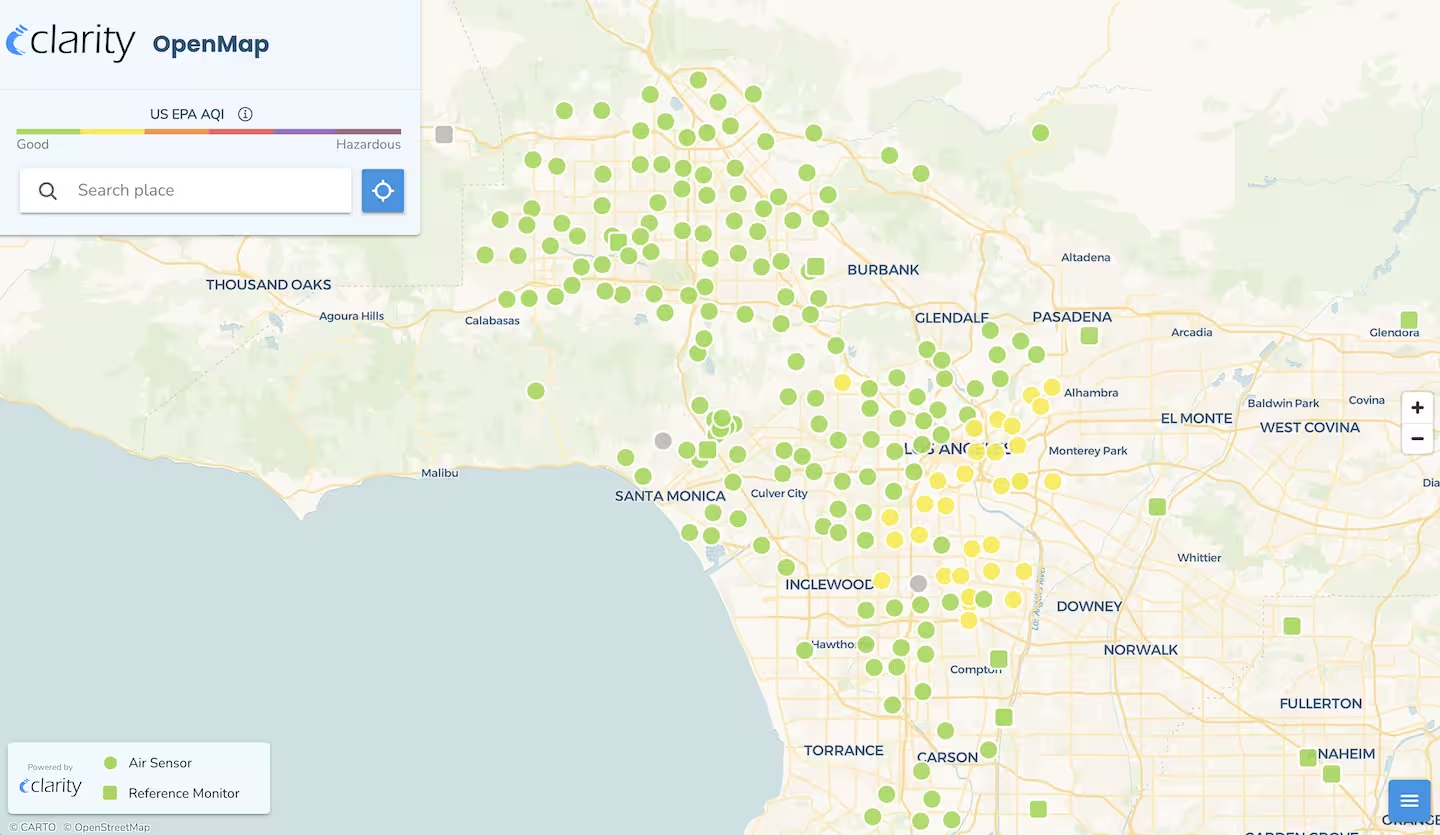
A typical sensor cycle starts with the air quality sensor measuring a pollutant such as PM2.5, NO2, or ozone. Onboard processing applies factory calibration, time-stamps the reading, and queues the data. The node then transmits the encrypted payload over its wireless connection to a cloud platform, where it is stored, further calibrated against reference data, and made available through a dashboard, public map, or API. End users can see fresh readings within minutes of measurement. All air quality measurements recorded by Clarity devices are uploaded in real-time to the Clarity Cloud for seamless data access.
What are the benefits of IoT-based air quality monitoring?
IoT-based air quality monitoring allows for wide-scale deployment. Since sensors can connect to networks and can transmit data remotely, large numbers of sensors can all be easily managed from a central point. Having many sensors offers benefits that a single reference-grade monitor may not be able to provide. For instance, a network of sensors will be better able to catch air pollution hotspots and identify neighborhood-level changes in air quality.

Where traditional reference-grade air quality monitors may require laboratory analysis, technical servicing, and high levels of maintenance, IoT-based air quality sensors typically do not need as much manual intervention. They can often be deployed and maintained relatively easily. This can help cut costs and human labor, which can be very significant for reference-grade monitors. A single FRM or FEM monitor can cost between $15,000 and $40,000 or more, with operating costs that can be similarly expensive and may even exceed the initial purchase price over time.
Traditional monitors may be slow to provide continuous real-time data to the public, but IoT-based air quality sensors are able to provide near-instant public access to air pollution levels. Since sensors can transmit measurements automatically through connected networks, this enables sensor data to be accessed quickly and easily. This can become extremely useful during rapidly changing air quality events such as wildfires. Access to local, real-time air pollution data enables the public to best protect themselves from polluted air.
IoT air quality sensors vs. reference-grade air quality monitors
Before weighing the trade-offs and deciding what type of air quality monitoring equipment to invest in, it helps to see how IoT-based air quality sensors and reference-grade monitors actually compare side by side. The two technologies are built for different jobs, and most modern networks use them together as complementary technologies.
What are the potential setbacks of IoT-based monitoring?
Low-cost air quality sensors with IoT technology are typically not as accurate as reference-grade monitors. With strict performance criteria, the latter remains the gold standard for air quality monitoring, providing the most reliable data. Although air quality sensor technology and accuracy have improved, they are still not quite on par with traditional reference-grade monitoring systems.
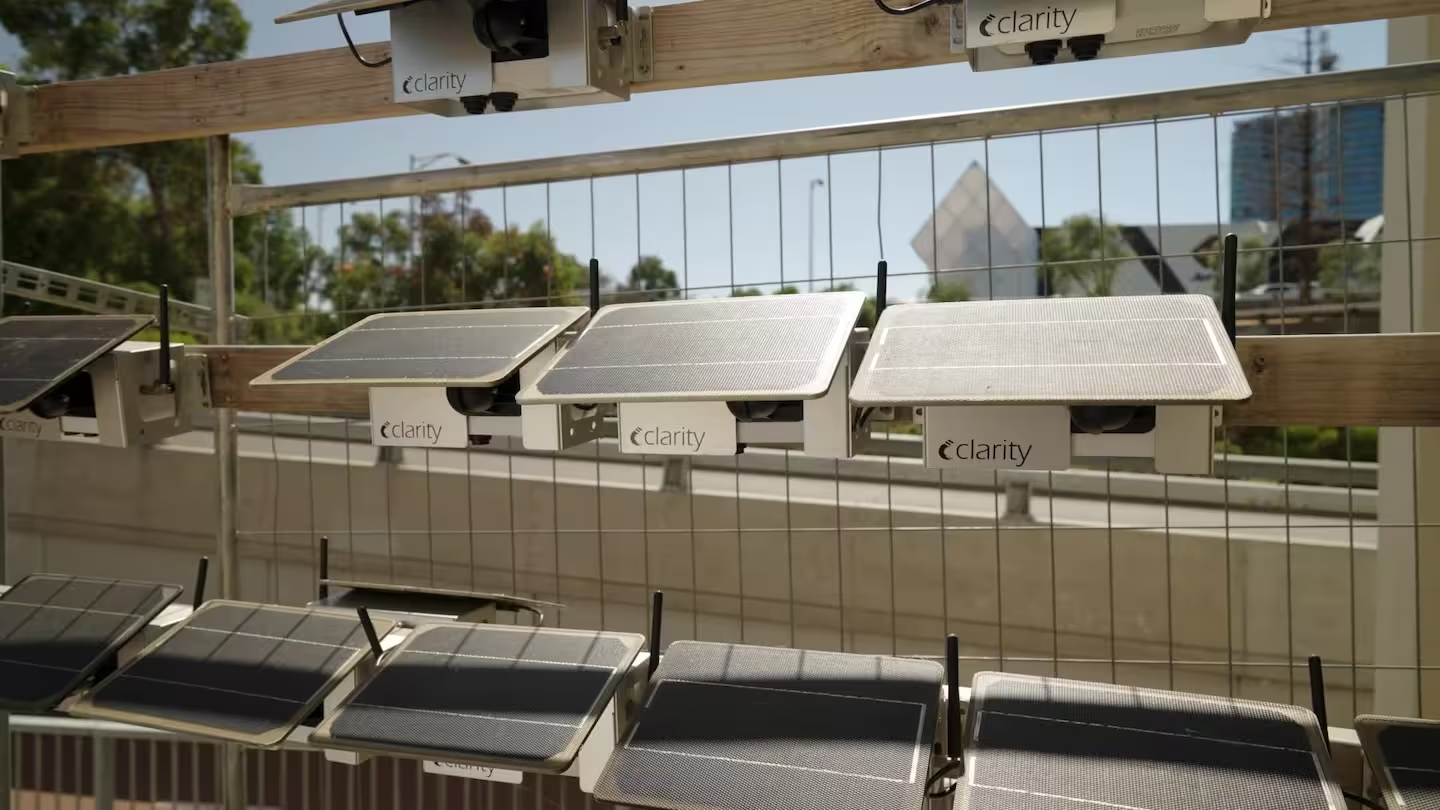
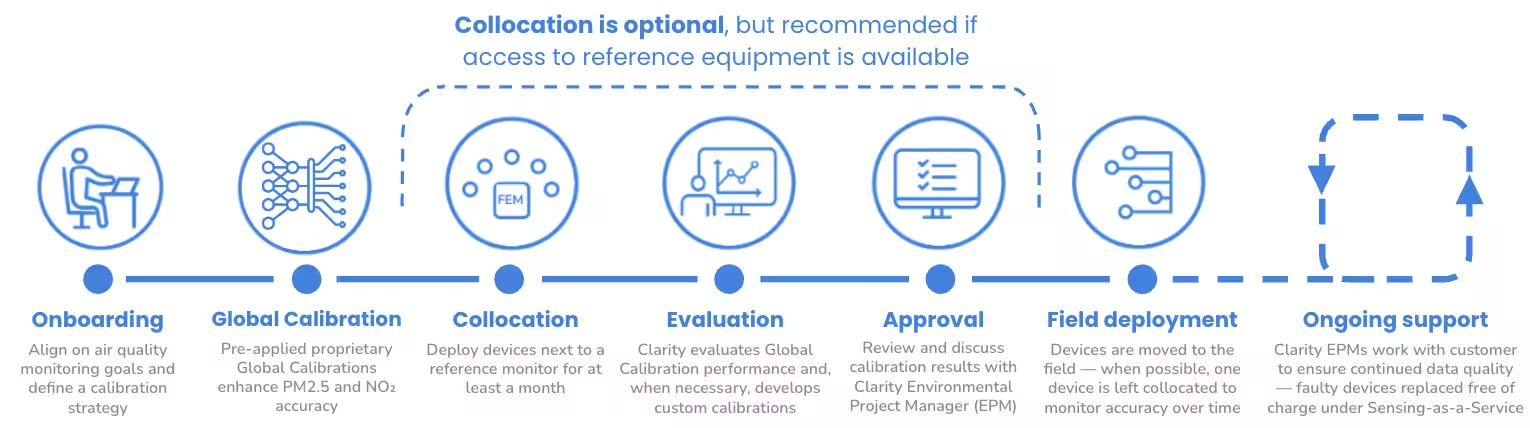
Although IoT-based air quality sensors generally require less maintenance than traditional monitors, they do still require calibration to ensure reliable measurement. Calibration involves tuning the air quality sensor’s output to more closely match reference monitor readings. Clarity offers remote calibration free of charge as a part of our Sensing-as-a-Service offering.
All IoT devices come with minor security risks, and IoT-based air quality sensors are no exception. They can be vulnerable to attacks and insecure communication. However, Clarity uses enterprise-grade encryption to secure data at rest and in transit. Verification and secure cloud storage protect against snooping.
Yerevan, Armenia: IoT-based air quality monitoring case study
Real-world example: Yerevan’s citywide IoT air quality monitoring network
When Yerevan, Armenia experienced a citywide construction boom, the resulting dust and particulate pollution prompted the municipality to invest in one of the most extensive city-run IoT air quality sensor networks in Europe. Working with the Yerevan Mayor's Office and the Technology Management Center of Yerevan City, Clarity deployed roughly 170 IoT-based Node-S air quality sensors across all 12 districts of the capital, with at least two monitors stationed at every major construction site.
The Clarity dashboard and air quality alert system are intuitive and convenient for our staff, which has made their day-to-day operations much easier. We also find the platform’s data to be highly actionable, enabling us to respond quickly to air quality issues as they arise. The Clarity API integration was seamless, allowing us to feed the sensor data into our own city GIS platform for greater analysis and visualization."
— Gorik Avetisyan, Deputy Head of the Environmental Protection Department for the City of Yerevan
The deployment shows what IoT-based air quality monitoring solutions can do at scale:
- Continuous coverage: Real-time PM2.5 readings stream from every node, giving the Department of Environmental Protection visibility into dust levels around the clock.
- Enforcement support: When sensor data shows a construction site exceeding permitted dust thresholds, the city can respond quickly. Construction companies also self-regulate once they know monitoring is in place.
- Public transparency: Sensor data is published openly so residents can see when their neighborhood air quality is unhealthy and take precautions.
- Local capacity: Local technicians and environmental specialists were trained to install sensors, manage the cloud platform, and interpret trends, allowing the city to operate and expand the network with in-house expertise.
Read the full Yerevan case study here.
How much does an IoT-based air quality monitoring system cost?
Cost depends on the scale of the deployment, the pollutants you need to track, and the level of service wrapped around the hardware, but a useful frame is to think in three buckets.
Hardware: Individual IoT air quality sensors typically range from a few hundred dollars for basic consumer-grade devices to a few thousand dollars per device for professional outdoor sensors that include weatherproofing, solar power, and multi-pollutant modules. By comparison, a single FRM or FEM reference monitor runs between $15,000 and $40,000 or more before operating cost, which means you can easily deploy dozens or hundreds of IoT air quality sensros for the equicvalent cost of a single FRM.
Connectivity and data: Most professional networks include a recurring data plan that covers cellular connectivity, cloud hosting, and dashboard access. This is usually billed per device per month, although with Clarity's Sensing-as-a-Service it is included in the flat annual subscription.
Calibration and support: The ongoing accuracy of an IoT network depends on calibration. Some vendors charge separately for collocation studies and remote calibration. Clarity's Sensing-as-a-Service model bundles remote calibration into the subscription so accuracy stays consistent without a separate line item.
A 25-sensor network deployed across a mid-sized city, with cellular connectivity, dashboard, public map, and calibration included, will typically come in at less than what a single new reference station would cost over the same period. The exact number depends on configuration. The takeaway is that IoT-based air quality monitoring solutions scale cost-effectively in a way reference networks cannot.
Looking forward
While IoT-based air quality monitoring has both pros and cons, it can provide useful and affordable air quality data to better protect the public and the environment. Partner with Clarity today to implement a low-cost IoT-based air quality sensor network.
Frequently Asked Questions: IoT-based air quality monitoring